A Good Eldest Son
My aunt meant it as a compliment. I'm still not sure I've earned it.

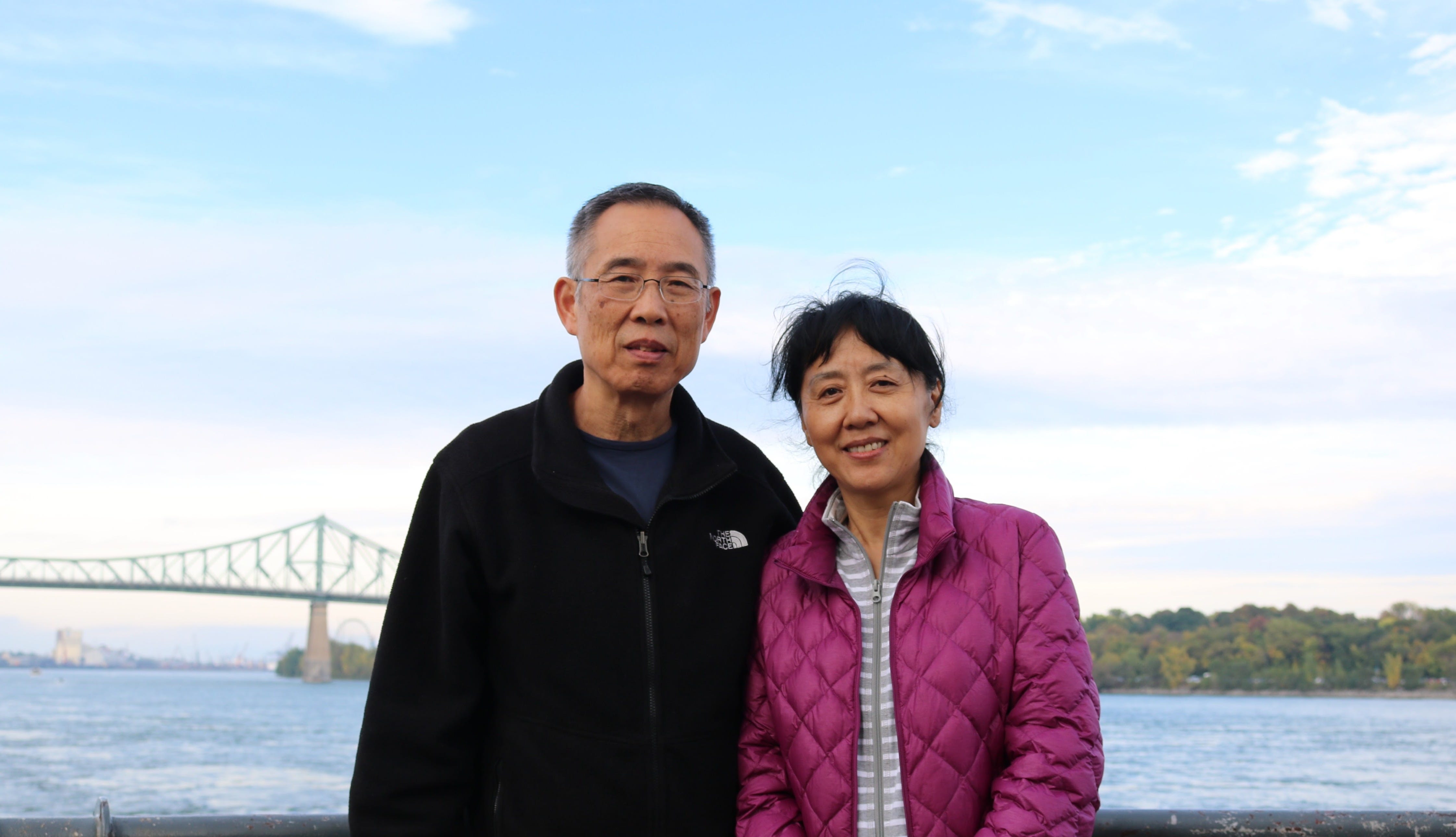
Natasa slipped away from the table before any of us noticed, walked up to the register, and quietly handed over her card. No announcement, no negotiation. She just wanted this one to be on her.
The woman at the counter looked past her, called out across the restaurant, and asked my dad if he wanted her to pay.
We’ve eaten here enough times that they know our order before we say it — the duck, the lobster, the chive pockets. Apparently they know something else too: who’s supposed to be paying.
My dad walked over, swapped his card in for hers, and settled the bill like it was the most natural thing in the world.
He didn’t seem to think anything of it. I noticed. I always notice.
Growing up, nobody sat me down and explained the responsibilities of the eldest son. There was no lecture, no rite of passage, no single moment where someone said, “This is what’s expected of you now.” It was something I absorbed, not by being told, but by being in it long enough.
It wasn’t until I got older that I started hearing the actual language for it. My aunt and uncle in LA called one evening, just checking in on the family, asking how the road trip with my parents was going. At some point in the conversation, hearing how I’d been helping get my mom settled at restaurants and managing the driving, my aunt just said it plainly over the phone: “That is a good eldest son.”
She meant it as a compliment. It landed as something else, a label I’d never asked for, handed to me mid-conversation, like it had always been mine and I was only now catching up to it.
In America, this isn’t really a thing. Birth order might affect who gets the hand-me-downs or who has to babysit, but it doesn’t come with a lifelong assignment. There’s no cultural expectation that the firstborn manages their parents’ old age. Families figure it out individually, or they don’t figure it out at all, and nobody assumes it’s automatically your job because of when you were born.
In Chinese culture, it’s not a suggestion. It’s closer to a duty, something quietly assumed rather than debated.
I’m still not sure I fully believe in the duty itself. Believing something because you were told to is different from believing it because you watched what it cost your parents to raise you. The first one asks for obedience. The second one just asks you to pay attention. Somewhere along the way, those two things — the duty I inherited and the debt I actually feel, became impossible to fully separate, even though I know they’re not the same thing.
Here’s where it gets complicated for me.
My dad doesn’t tell me when he has a doctor’s appointment. He doesn’t mention when he starts a new medication. I usually find out after the fact, if I find out at all. When I ask, he brushes it off — “it’s nothing,” “don’t worry about it,” the same three or four phrases on rotation.
I rarely get to take my parents out to dinner without some kind of negotiation. If I buy them something, new shoes, a jacket, anything, my dad tells me to return it. Save the money, he says. You have a longer road ahead of you than we do.
I push back every time. I remind him I have decades of paychecks left. A pair of shoes is nothing in the long run. He hears me, and it changes nothing.
I don’t think it’s about the money. I think it’s about the order of things staying where he needs it to stay. He is the one who provides. I am the one who receives. Somewhere in his mind, letting that reverse, even for a fifty-dollar dinner, tips something he’s not ready to tip.
A few months ago, I found myself searching for something I never expected to be searching for: Chinese-speaking caregivers. Adult day programs with memory care specialization. Anyone, anywhere, who could give my dad a few hours of relief and give my mom some structure that wasn’t entirely dependent on him.
I want to be clear about what I was and wasn’t looking for. I wasn’t looking for a facility to place her in. I was looking for help that could come to the house, or a program she could attend a few days a week — something that let my dad breathe without taking her away from the home she still recognizes.
And still, typing those searches into Google felt like a small betrayal.
Not of my mom. Of the version of myself that grew up believing family takes care of family. No strangers. No outside hands. If eldest son means anything concrete, it means you handle it — quietly, personally, without asking anyone outside the family to step in.
Except I can’t handle it. Not the way it actually needs to be handled. My dad has been doing this alone for years, and I live far enough away that “handling it” mostly means phone calls and weekend visits and gifts he sends back.
So what does the duty even ask of me, when the thing my parents need most is something I can’t personally provide?
I don’t know that I’ve landed anywhere with this yet.
I know I don’t fully believe in eldest son duty as its own justification. But I believe, without any hesitation, in helping the two people who spent their whole lives helping me. My uncle called me a good eldest son over the phone somewhere outside LA, and I still don’t know if he was right about the label. I just know I’d do the same things either way.
I keep thinking about Natasa’s card, sitting in that woman’s hand for a second before my dad swapped his in. Nobody asked whose turn it was. Nobody had to. The order of things just reasserted itself, the way it always does at that restaurant, the way it probably always will.
I’m still deciding if I can call that filial. I think I’m going to let it happen anyway — for now, on the small things, at that one restaurant. The bigger ones, I’m still working out.
Your piece strikes a chord with anyone who has ever felt guilty about something that is defined or expected to be a family duty. We have an expectation in America that wanting a break from caregiving is bad, despite research showing that breaks from caregiving are essential for combating compassion fatigue.
I don't entirely agree with your sentence about the lack of connection or expectation between caregiving responsibilities and birth order in America. I generally find in my work and across my personal network that there is an implied expectation for the eldest daughter to take the lead on caregiving arrangement for elderly parents. Like all things, it's not 100% true across the board, especially in families where there are only sons. Or in families where offspring don't live near their parents.
However, I do understand your point about the rigidness of expectations with birth order in Chinese culture. In some ways, life in the US affords a broader interpretation of certain societal expectations. When people subvert norms, it opens discussion around why things are a certain way, and how those expectations impact the people who don't intentionally choose to inherit a specific set of responsibilities.
Many of the things you wrote about are similar to Filipino culture. As my family’s been in the US for a long time, most of those expectations have been forgotten. But now that I’m doing my “living in the Philippines” experiment, I’m constantly reminded of these values and expectations that create internal conflict within me. I loved reading how you’re thinking about things…