Borrowed Stories
Reading about another daughter's mother, and doing the same math with my own.

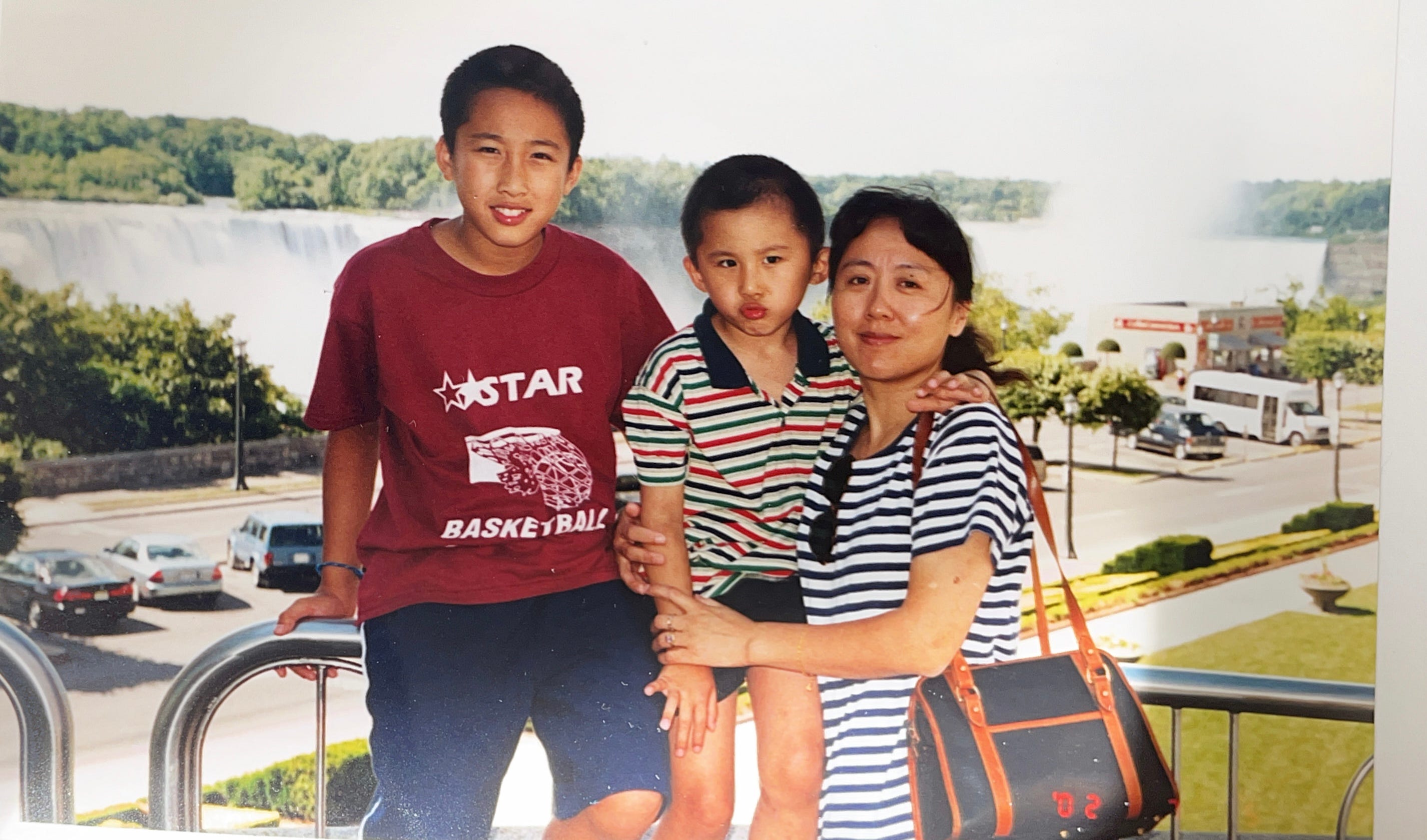
My mom and I were on a walk around the neighborhood near my parents’ house. I was telling her about Michael’s PhD program. She nodded along, and then she started telling me about her brother. About how hard school had been for him, growing up with a physical disability, how the other kids treated him, how she used to walk him to school every day.
Except she wasn’t talking about her brother anymore. She was talking about Michael.
I didn’t correct her. I just listened. This memory belonged to my uncle and has been placed onto my brother. I happened to know the difference this time. Her brother’s disability isn’t something Michael has. But that’s the part that stays with me after the walk is over. I only caught it because I already had the pieces to compare it against. How many times has she told me a story, and I had no way of knowing whose life it actually belonged to?
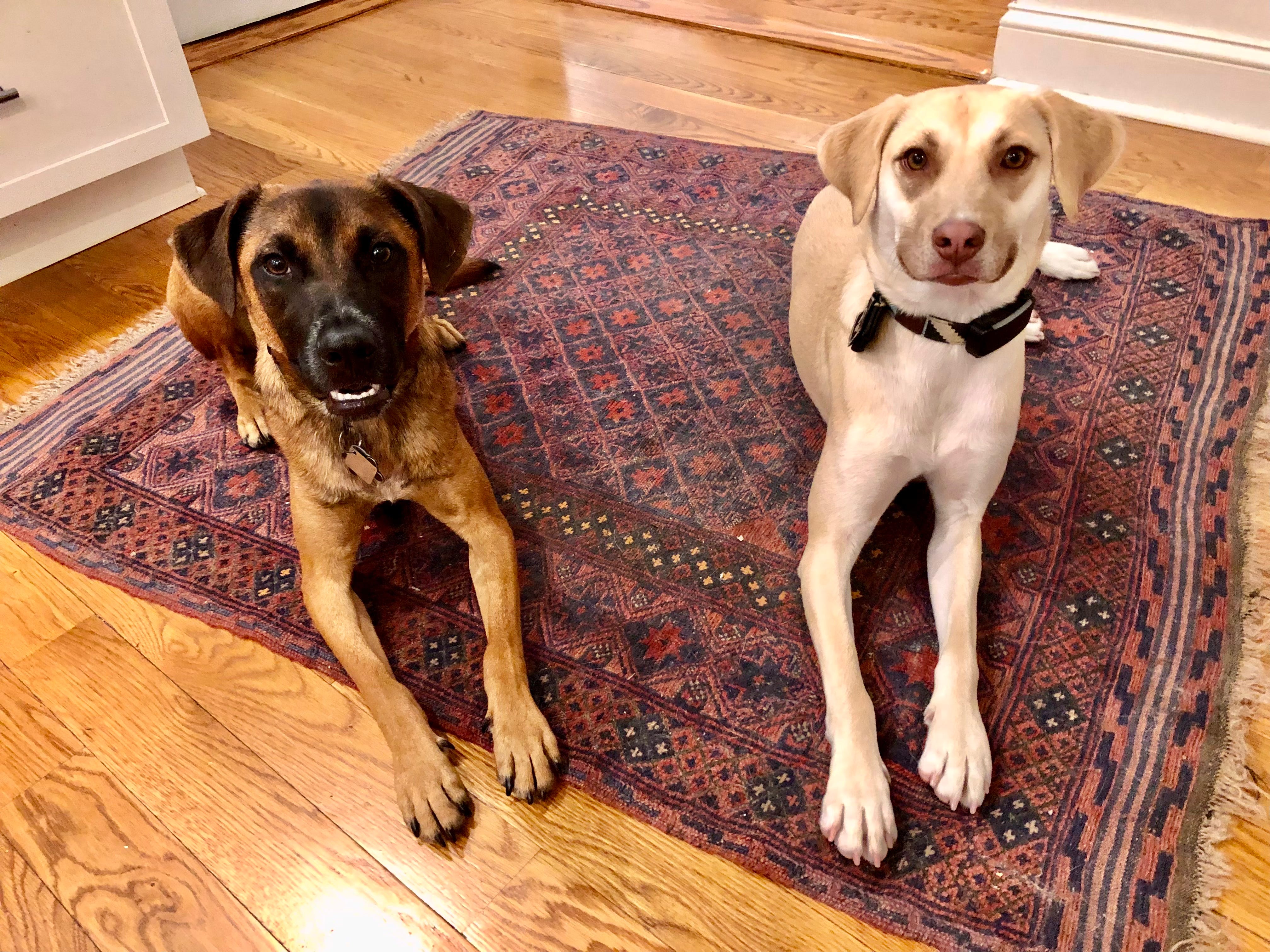
A friend lent me a book a few weeks before that walk. Our dogs are close, and than the humans also became friends. She’s a writer, so when she pushed a book to the top of my list. It’s called Bad Bad Girl, by Gish Jen, and I read most of it on a long flight to Europe and in the days after, when I had more empty hours in the coffee shops of Bratislava. I picked it up to get a break from the fantasy novels, and I couldn’t put it down.
It’s a daughter trying to reconstruct her mother. A woman from Shanghai, who built a life in America starting from nothing. Who raised her kids in a country that never quite made room for her. And I couldn’t read a page of it without picturing my own parents inside. The same generation. Same ocean crossed. Same instinct to arrive somewhere unfamiliar and simply refuse to fail.
There’s a section about a child being handed a poem to memorize, and it brought me back to our kitchen table or in the car, my dad drilling classical Chinese poems into me line by line. Ode to the Goose.
鹅,鹅,鹅
曲项向天歌
白毛浮绿水
红掌拨清波
Goose, goose, goose,
You bend your neck towards the sky and sing
Your white feathers float on the emerald water
Your red feet push the clear waves
My parents sat with me afterward to explain what it actually meant. I hadn’t thought about that in years. The book didn’t describe my childhood. But it got close enough that I kept forgetting I was reading about someone else’s mother and not my own.
Jen wrote the book because her mother had died. She realized she’d never written about her, and by the time she sat down to try, there wasn’t much left to work with. She filled in what she could. Fragments, half-remembered conversations, guesses converted to scenes. She calls it forged truth, because it isn’t quite memoir and isn’t quite fiction. It’s what’s left when the person who could confirm the details is gone.
The difference is the one that won’t leave me alone. Jen’s mother is permanently silent now. Whatever she didn’t get to ask, she’ll never get to ask. My mother is still right there. I can ask her anything. I don’t always know what I’ll get back. Or how much of it is true. Or whose life it’s borrowed from. It’s not the same kind of loss. It’s slower, and it plays tricks. Some days we’re just talking, the way we always have.
Other days I can feel it, like watching a number tick down. If feels like I am losing her, one step at a time, in a direction I can’t follow.
So I’ve started doing what Jen did, just from the other side. When someone in my family tells me something about my mom’s life. My aunt, my dad, someone who knew her before I did, I try to fold it into what I already have. Basketball camps. Daycare near her office. A full-time job and two kids and no one nearby to help. I only understand what that cost her now, watching how much of a person can get absorbed into logistics.
For most of my life I only had one version of my mother. “The Mother”. The one who worried whether I had enough money, whether I needed groceries, who tried to take care of me even when I was the one who’d come to take care of her. She still tries to be that version now, in the moments she can. Sometimes I let her. It seems to make her happy. It is who she is.
When the walk was over, we came back up the driveway, and she stopped at the door and asked if I’d eaten lunch yet and if I was staying at home. Just her questions, still hers, right there in the doorway.
I don’t know how long that will keep being true.
Comfort. Comfort to you. In caring for my husband I have come to see
myself as the primary keeper and now teller of his stories. An only child, both of his parents are gone, and so now, too, are too many of the details of his past. 💔
I had no idea it was called 'forged truth' because there was a bit of that in the early pages of my memoir, where I tried to reconstruct how my parents met.
But something you said about getting all the different perspectives of who your mom is, struck me, because I never had that chance with my dad. I got his mother's and his wife's point of view, and I dearly wanted another.
This is an opportunity to know your mom through other people's eyes. Breathe in the journey, Ricky, and thanks for having us along!